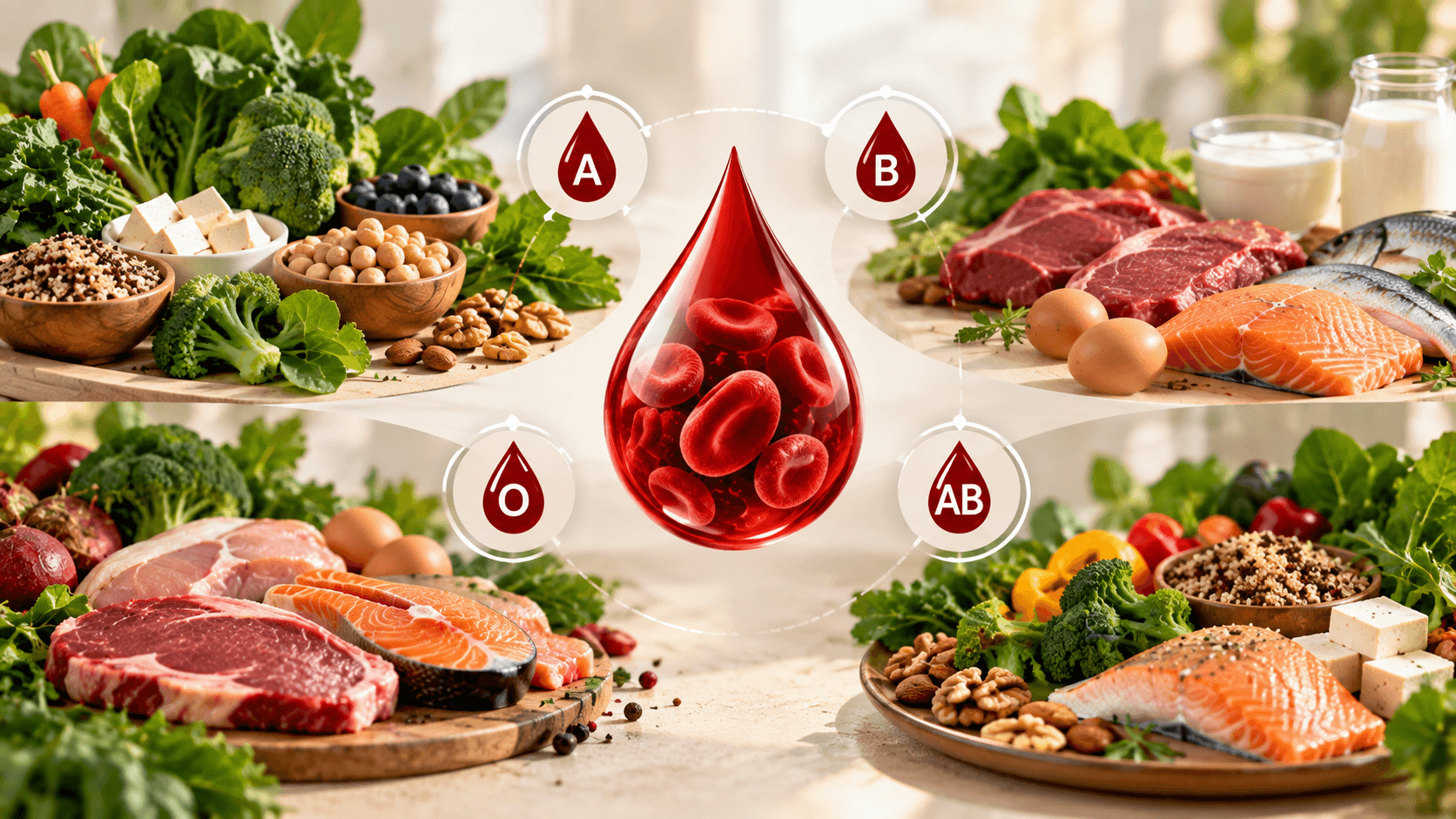
What Is The Blood Type Diet?
The Blood Type Diet is based on the premise that everyone's dietary needs varies depending on their blood type - O, A, B, or AB.
In 1996, naturopathic doctor Peter J. D'Adamo wrote the best-selling book Eat Right 4 Your Type, in which he claimed that specific foods might reduce inflammation, increase energy, aid in weight loss, and prevent disease.
Many studies have been conducted in the years since D'Adamo introduced the Blood Type Diet to determine whether it is effective, but none have found a clear correlation between eating according to your blood type and improved health.
Still, the diet's emphasis on healthful meals has proven beneficial for certain people. It may be beneficial to you if you want to try it and your doctor agrees.
How Does The Blood Type Diet Work?
The following explanation of how the Blood Type Diet works is based on the description provided by its author. Everyone responds differently to nutrition patterns, so consult your doctor before beginning any new diet.
You are born with a blood type based on the blood types of your biological parents. The four primary blood types are identified by the presence or absence of two antigens, A and B, on the surface of your red blood cells. (Antigens inform your immune system whether something is hazardous.)
For example, if you have both antigens, you have type AB blood; if neither antigen is present, you have type O blood.
Diet for Weight Loss Based on Blood Type
According to D'Adamo, the antigens found in your blood that determine whether you're type O, A, B, or AB also exist in other parts of your body, including your digestive tract. That's why the things you eat react chemically with your blood type, he claims.
People with different blood types have diverse gut microbes, which D'Adamo believes dates back to our earliest ancestors. His findings imply that the first humans possessed type O blood. Because they were hunter-gatherers, they consumed fewer carbohydrates and more protein. People with A blood types are said to have descended from farmers, hence D'Adamo recommends a vegetable-rich diet for this group. He believes B blood types can digest more fat since they evolved from nomadic tribes whose diets were high in meat and dairy.
D'Adamo argues that consuming foods that were popular when your blood type evolved can help your body digest meals more smoothly.
How Do I Begin The Blood Type Diet?
The first thing you need know before beginning this food regimen is your blood type. If you don't know your blood type, you'll need to undergo a test to find out. You can request a test from your doctor, or you may be able to have your blood type confirmed when donating blood at a blood drive.
It's worth mentioning that every person's red blood cells include the Rh, or Rhesus, factor. This is a unique protein that you inherited from your parents. A blood test determines your blood type as positive (+) if you have the Rh factor or negative (−) if not. The Blood Type Diet does not care if your blood is positive or negative; it is more concerned with the blood type group.
Once you've determined if you're a type O, A, B, or AB, you may base your snack and meal plans on which foods are believed to be the greatest for you. You can choose whether to begin this diet straight away. Alternatively, you might take your time and gradually replace foods in your kitchen with those that are better suited to your blood type.
Blood Type Diet Foods
What you eat on this diet is determined by your blood type. Here is what D'Adamo recommends for each group:
O Blood Type Diet
This is a high-protein diet that focuses on lean meat, poultry, fish, fruits, and vegetables while limiting grains, legumes, and dairy. If you want to reduce weight, eliminate carbohydrates. Instead, select seafood, kelp, red meat, broccoli, spinach, and olive oil. D'Adamo also advocates taking a variety of vitamins to aid with digestive problems and other ailments that he claims people with type O blood have.
A blood type diet.
According to D'Adamo, people with type A blood have a sensitive immune system, therefore they should eat a vegetarian diet rich in fruits and vegetables, tofu, beans and legumes, and whole grains, preferably organic and fresh.
Vegetables, pineapple, olive oil, and soy are ideal for weight loss, whereas dairy, wheat, corn, and kidney beans may cause weight gain, he adds.
B Blood Type Diet
If you have type B blood, a diversified diet with meat, fruit, dairy, fish, and grains is regarded to be ideal. Avoid foods such as corn, wheat, buckwheat, lentils, tomatoes, peanuts, and sesame seeds. D'Adamo also warns that chicken can be problematic. Green vegetables, eggs, some meats, and low-fat dairy products are among the items to increase consumption of.
AB Blood Type Diet
Tofu, shellfish, dairy, and green vegetables are recommended foods for this blood type. D'Adamo argues that people with type AB blood have low stomach acid, thus they should avoid coffee, alcohol, and smoked or cured meats. Some dairy products, such yogurt and kefir, are also beneficial to this group.
Advantages and disadvantages of the blood type diet
All diets, including the Blood Type Diet, have advantages and disadvantages. Depending on your lifestyle and food choices, various eating styles may be more suitable for you.
Benefits of Blood Type Diet
According to D'Adamo, proteins found in some foods known as lectins can attach to your blood type antigen and cause your blood to coagulate. This causes weariness, headaches, digestive disorders, and skin problems, he claims. Eating meals that your body responds well to can help with digestion, energy levels, and some chronic illnesses, like heartburn.
D'Adamo further says that each blood type is more susceptible to certain ailments. People with type O blood, for example, may be more prone to stomach ulcers, whereas those with type A blood are more likely to develop heart disease or diabetes. He claims that by eating a diet that is appropriate for your blood type, you may be able to reduce your risk of developing certain diseases.
Risks of Blood Type Diet
There is no scientific evidence to support the benefits of the Blood Type Diet. In 2013, researchers reviewed all of the available medical literature on the subject (1,415 references in total). They found no studies demonstrating that the Blood Type Diet works. D'Adamo's theory regarding ancestral blood kinds has also been challenged. Other experts believe type AB, rather than O, was the earliest blood group.
Another study published in 2021 looked into whether persons with heart disease could benefit from a plant-based diet based on their blood type. There was no correlation identified between blood types and health outcomes.
It's worth noting that the majority of the items recommended for the Blood Type Diet are healthy, but if you try the Type B diet, you should limit your red meat and dairy consumption. Because these meals are heavy in saturated fat, eating too much of either may increase your risk of heart disease.
Does it support restrictions or preferences?
Because the Blood Type Diet proposes highly particular sorts of food, it does not leave much room for personal preference. For example, if you enjoy meat, you will not be content with the type A diet, which is largely vegetarian. If you have lactose intolerance, you may struggle with the B blood type diet, which includes dairy. There are also suggestions for the types of spices and condiments to use.
If you are seeking for a gluten-free diet, you should be aware that the Blood Type Diet does not prohibit gluten. Reading food labels attentively may allow you to select gluten-free decisions.
Level of effort is high.
You may need to limit your eating options. Your blood type will influence your grocery list and restaurant preferences. If you live with people who have various blood types, meal preparation might be difficult. This diet, however, does not involve the use of any special packaged foods.
What else you should know.
Cost. D'Adamo suggests a variety of specialist and organic foods (such as soy milk and carob chip cookies), which can be expensive. The diet also includes vitamins and herbal supplements.
Support. Aside from D'Adamo's book and website, you are responsible for following the Blood Type Diet yourself.
Exercise. The Blood Type Diet provides exercises tailored to your blood type. For example, it recommends yoga or tai chi for blood type A, and vigorous aerobic exercises like jogging or biking for up to an hour a day for type O. Type B should focus on group exercises like tennis, martial arts, or golf, while AB types should do a combination of calming and aerobic exercise.
Blood Type Diet Meal Ideas
Here are some meals you could consume according to D'Adamo's Blood Type Diet:
Meal Ideas for Type O Blood
Breakfast: A mango smoothie with pineapple juice, mango, banana, frozen blueberries, and ice cubes.
Lunch: black bean soup with ground meat and rice.
Dinner: Baked sesame chicken with rice, salad, or spelled noodles.
Meal Ideas for Type A Blood
Breakfast: tofu scramble with grated carrot and zucchini.
Lunch: vegetarian lentil soup.
Dinner: Spinach and feta rice
Meal Ideas for Type B Blood
Breakfast: Applesauce cake with crushed almonds, quinoa flakes, flaxseed, and chia seeds.
Lunch: Egg and Seaweed Soup
Dinner: Grilled lamb chops with mint yogurt sauce.
Meal Ideas for Type AB Blood
Breakfast: Egg and banana pancakes.
Lunch: Tofu and vegetable stir-fry.
Dinner: Pumpkin Lentil Dal
Takeaways
The Blood Type Diet works on the principle that your blood type makes some foods easier to digest. However, there is no scientific proof that this method of eating works. If you lose weight while following the Blood Type Diet, it's most likely because many of the things it contains, such as fruits and vegetables, are nutritious. It also advises you to avoid ultra-processed foods like packaged sweets and fast food, which contribute to weight gain. If you wish to try the Blood Type Diet, see your doctor first, especially if you have a chronic health problem.