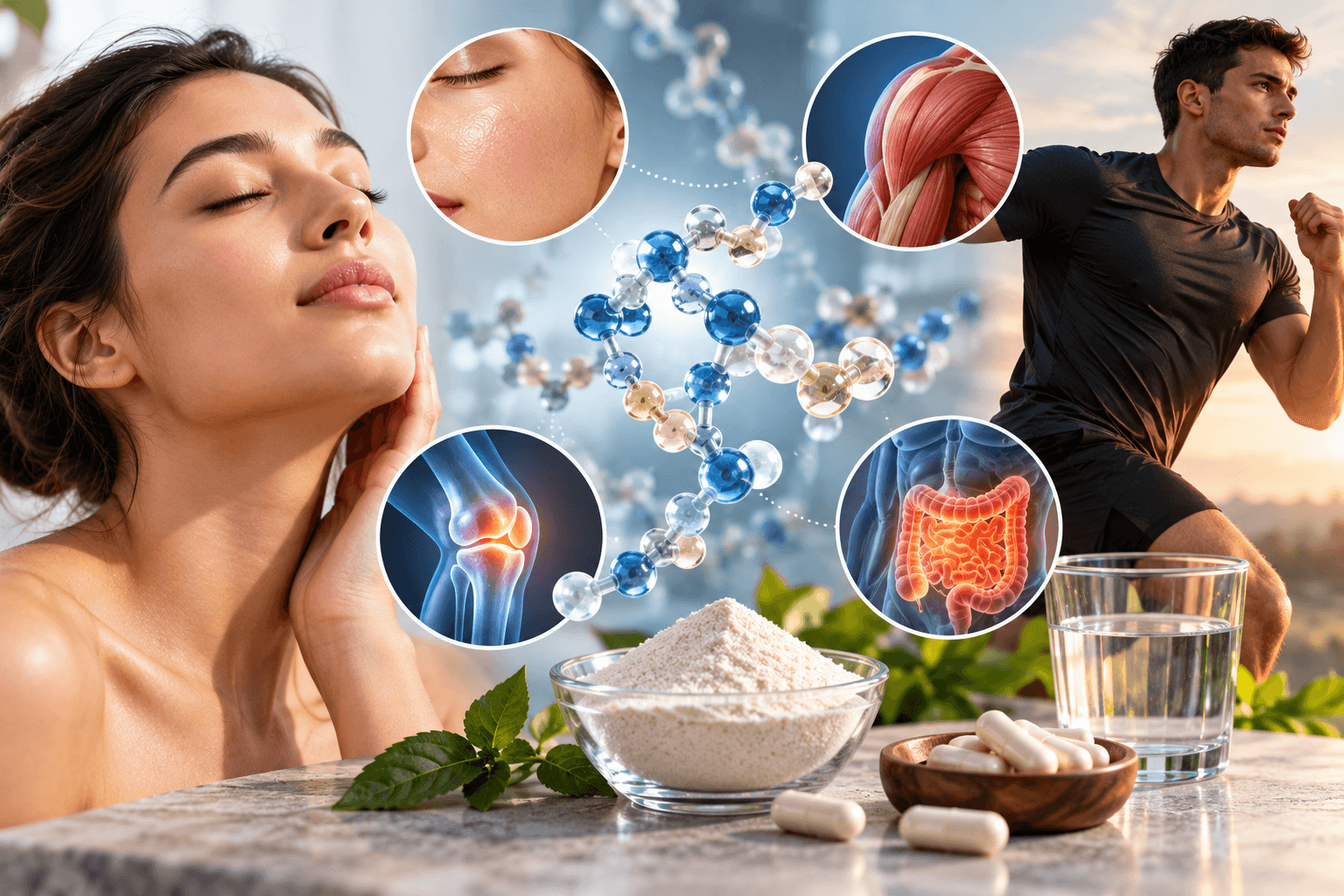
What are peptides?
Peptides are amino acid chains. Proteins are composed of "building blocks" known as amino acids. Peptides are small protein strings ranging from 2 to 100 amino acids long.
Your body produces peptides that play vital roles in several of its most essential processes. Insulin, for example, is a 51-amino-acid peptide hormone that allows your cells to absorb carbohydrates from your food and store them in your liver.
Since 1921, researchers have been focusing on developing peptides as remedies for medical ailments. In fact, insulin was the first peptide hormone isolated from animal tissue and used to save lives. It has been used to treat patients with type 1 diabetes since 1923.
Peptide medicines may offer certain advantages over other treatments since they
Make it easier to send where they need to go in your body.
Have less side effects.
Be safer since when your body breaks them down, the byproducts are amino acids that your body can recycle.
According to studies, certain peptides may enhance your skin, muscles, and weight. For decades, firms have used them in over-the-counter skin care products and dietary supplements.
Peptides vs Proteins
Peptides and proteins are both composed of amino acid strings linked together by peptide bonds. The key distinction is that peptides are shorter strings of amino acids than proteins, albeit the terms aren't used interchangeably. Most scientists refer to chains containing more than 100 amino acids as proteins.
Scientists also refer to peptides that are 10-20 amino acids long as oligopeptides, and peptides longer than 20 amino acids as polypeptides.
Benefits of Peptides
Your body produces several peptides, each of which has a particular purpose. Scientists can also create synthetic peptides in the laboratory. Companies have been using peptides into skin care products for decades. Certain peptides may have the following benefits.
Peptides for Antiaging
Collagen is a protein that serves as a structural component of your skin, muscles, bones, tendons, ligaments, and other connective tissues. Collagen gives all of these components shape, strength, and the ability to stretch. As you become older, your body produces less collagen and degrades the collagen you already have faster. This causes wrinkles and sagging in your skin, as well as shrinkage, stiffening, and weakness in your muscles, bones, and tendons.
Collagen injections can plump your skin and smooth out creases and wrinkles. However, evidence suggests that taking collagen supplements orally may help your skin stay moist and elastic, particularly if you are over the age of 30. They may also relieve pain and improve joint function in persons suffering from osteoarthritis (the "wear-and-tear" type of arthritis caused by age).
Because the body cannot absorb collagen in its entirety, it is typically broken down into smaller collagen peptides (also known as hydrolyzed collagen) containing three to four amino acids for use in supplements. These oral supplements are available as tablets or powders from health food stores, drugstores, and some grocery stores.
Copper (GHK-Cu) peptide is another peptide that may help your body produce collagen and elastin (skin protein). It also functions as an antioxidant and aids in skin restoration. According to research, GHK-Cu in face and eye creams can minimize lines, wrinkles, and age spots (hyperpigmentation) while also improving skin hydration, suppleness, and thickness. It may also help your hair become thicker. Copper peptide can be found in skin care products (such as lotions, creams, and serums), as well as hair serums, at department shops, beauty supply stores, spas, and online. Previously, copper peptide injections were accessible at wellness centers and spas. However, the FDA prohibited these in September 2023 because they discovered contaminants in the liquid version that caused immune system reactions in certain people.
Palmitoyl pentapeptide-4 (Matrixyl) is a synthetic peptide that may help your body produce more collagen, enhancing the texture of your skin and removing age spots and dark circles. Matrixyl-containing face creams and serums are available in the same stores that sell copper peptides.
Peptides for Skin
Your body produces a few peptides in your skin, including antimicrobial peptides (AMPs), which help you fight infections, heal wounds, and form a strong skin barrier. If your skin produces insufficient or excessive AMPs, you may develop psoriasis, eczema, rosacea, or acne. AMP-containing lotions and serums may help repair the skin barrier and reduce edema and redness in persons with psoriasis or eczema. Furthermore, AMPs may prevent germs from entering your pores and creating acne. AMPs may also assist diabetics with ulcers or sores heal faster. Medicines containing these peptides typically require a prescription, so see your doctor if you want to try one of them.
Peptides that promote muscular growth and weight loss
Creatine and collagen supplements may promote muscle development or repair. However, certain synthetic peptides suspected to be related to muscle growth, known as growth hormone secretagogues (GHS), may be illegal and dangerous. For example, they may lower your body's insulin sensitivity and raise your blood sugar. Furthermore, if you're engaged in a sports competition, all GHS supplements are forbidden by the World Anti-Doping Agency.
Peptides promote hair growth.
Some peptides may promote longer, thicker, and healthier hair. Collagen peptides, such as GHK-Cu, may help stimulate hair growth in persons with pattern hair loss. You can get this as a serum to apply to your scalp. Other possibilities include collagen peptide supplements in powder or pill form, as well as folitin, a serum that can be applied directly to the scalp.
Peptides for Bone Loss
Collagen peptide supplements may also help increase bone mineral density. In one study, using collagen peptide supplements on a daily basis for a year enhanced bone mineral density in the upper back and upper leg bones of adults who were born female (AFAB) following menopause. There are also a few FDA-approved peptide medicines for treating osteoporosis.
Peptides for testosterone.
Some peptides may help boost testosterone levels by causing the body to produce and release gonadotropin-releasing hormone (GnRH), gonadotropin luteinizing hormone (LH), and follicle-stimulating hormone (FSH). These three hormones are the primary ways that your body produces testosterone. Kisspeptin-10 and gonadorelin are two examples of these peptides. Kisspeptin-10 was shown in one study to enhance average serum testosterone levels within 24 hours following administration. Another study found that gonadorelin boosted testosterone levels and restored fertility in patients who were assigned male at birth (AMAB) but had low testosterone levels due to insufficient GnRH production.
Peptide Therapy
Peptide therapy is the use of peptides to alter or improve how particular areas of your body function. For example, some athletes utilize growth hormone-releasing peptides to stimulate their body's production of growth hormone. This can assist their bones and muscles heal from intense training and competition.
Depending on the peptide, they are employed in many ways, such as:
Oral (dietary supplements)
Smoothing on the skin (topical) or on a patch (transdermal).
Squirting them in your nose (nosal)
Peptide injection at a wellness facility or doctor's office.
A variety of factors influence how peptides are employed. For example, because most peptides are unstable, they simply degrade when mixed with a supplement or cream. Also, peptides in oral supplements are digested like food, so they do not enter your bloodstream intact. Peptide injections are prevalent because injecting peptides into fat or muscle allows your body to use them without passing via the digestive system.
Peptide Supplements
Peptides can be purchased as dietary supplements, such as pills or protein shakes. Manufacturers claim that peptide supplements can help you grow muscle, recuperate from an exercise, and lose weight and fat.
However, there is little actual evidence to back up most of these claims. Furthermore, it is unclear how well your body can absorb entire peptides from supplements, as they are typically totally broken down into amino acids in the digestive system.
Some of the peptides available in supplements include:
Collagen peptide is thought to prevent aging and improve the health of your skin, hair, and nails.
Follistatin is supposed to help you grow muscle while losing weight.
Peptides in food.
Peptides are naturally found in many foods, especially those rich in amino acids, such as:
Meat
Fish and Shellfish
Bean and lentil
Soy
Oats
Flaxseed
Hemp seeds
Wheat
Peptide Drugs
Peptides are also employed to develop medications to treat a wide range of illnesses and conditions. Over 100 peptide medicines are currently FDA-approved in the United States. Examples of these medications are:
Abaloparatide (Tymlos) and Teriparatide (Bonsity, Forteo) for osteoporosis
Carfilzomib (Kyprolis) to treat multiple myeloma
Degarelix (Firmagon) for Advanced Prostate Cancer
Type 2 diabetes medications include dulaglutide (Trulicity), exenatide (Byetta), liraglutide (Victoza), lixisenatide (Adlyxin), and semaglutide (Ozempic, Wegovy).
Enfuvirtide (fuzeon) for HIV
Linaclotide (Linzess) is used to treat IBS with constipation and chronic idiopathic constipation.
Teduglutide (Gattex) is used to treat malabsorption.
Tirzepatide (Mounjaro, Zepbound) treats type 2 diabetes and obesity.
Ziconotide (Prialt) to treat severe persistent pain
Unlike certain cosmetics and supplements, these medications have been well researched and are closely regulated by the FDA. If you have any questions regarding taking peptide drugs, consult your doctor.
Side Effects of Peptides
Peptide treatment is generally safe when taken as directed by your doctor.
Most healthy persons are unlikely to experience major negative effects with peptide supplementation. However, supplements are not evaluated by the FDA before being sold. So, use caution when purchasing and using peptide supplements. You should be very cautious about using supplements if you:
Are you pregnant or nursing?
Have a medical condition.
Are taking medications.
Before beginning to take peptide supplements, see your doctor.
Some possible negative effects of peptide supplementation are:
Allergic symptoms, including hives, edema, or difficulty breathing
Heart disorders, such as high blood pressure, a fast heart rate, and heart palpitations (fluttering or pounding heartbeat)
Stomach issues like nausea, vomiting, and diarrhea
Headaches, dizziness, and weariness are all examples of cognitive difficulties.
Skin irritation and rash (when you apply peptides to your skin).
What You Should Know.
Before you use or purchase any dietary supplements:
Consult the company's website.
Look up the supplement's active ingredients.
Be cautious of claims that seem too wonderful to be true.
Do not take more than the recommended amount.
Tell your doctor about any supplements you're taking and why. If you are experiencing difficulties with your skin or hair, consult a dermatologist for a diagnosis and treatment plan. If you experience an adverse reaction to a peptide-based skin care product, get medical help as soon as possible.
Takeaways
Peptides are small protein chains containing approximately 2-100 amino acids. Your body produces peptides that play key roles in some of its most vital activities, such as how you digest and use energy from meals, how hungry you are, how your hormones work, and how cells move. Peptides have been used in medicine for approximately a century. Some peptides are used in oral supplements as well as skin and hair care products to promote anti-aging, muscular growth, and fat loss.