Uses
What is Rosuvastatin used for?
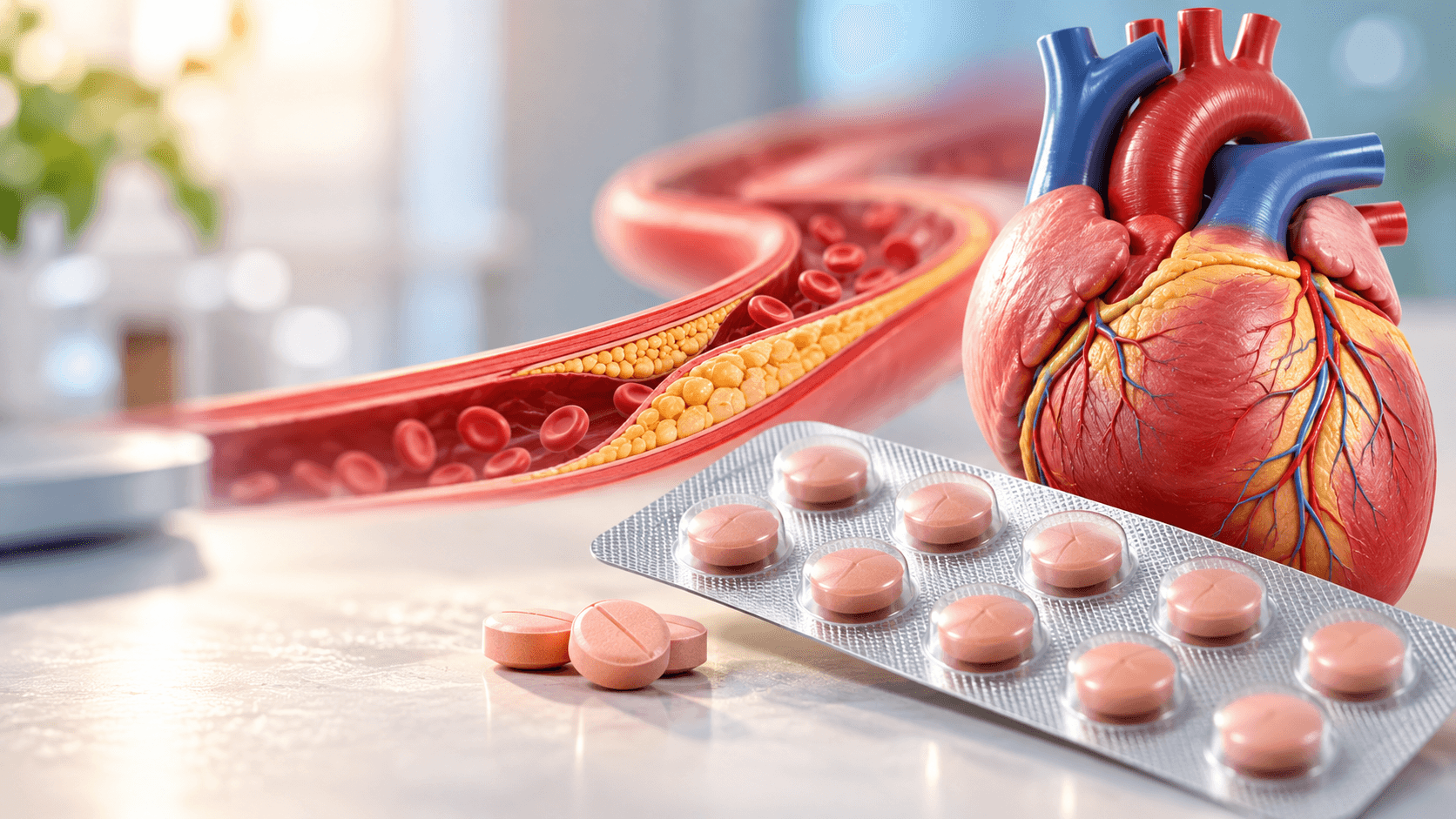
Rosuvastatin is often used to reduce bad cholesterol (LDL-C) and fats (triglycerides) in the bloodstream. It also raises healthy cholesterol (HDL) levels. Improving your cholesterol levels reduces your risk of heart disease, stroke, and heart attack.
Rosuvastatin may also be used to treat other conditions as indicated by your healthcare provider.
What is Rosuvastatin's mechanism of action?
Rosuvastatin lowers blood cholesterol levels by reducing the quantity of cholesterol produced by the liver and improving the elimination of harmful cholesterol from the bloodstream.
How is rosuvastatin supplied (in what dose forms)?
Brand and other names
Crestor
Dosage types and strengths
5 mg oral pills.
10 mg oral pills.
20 mg oral pills.
40 mg oral pills.
How should I store Rosuvastatin?
Rosuvastatin should be stored at room temperature, between 68 and 77 degrees Fahrenheit (20 and 25 degrees Celsius). It can withstand temperatures ranging from 59 to 86 degrees Fahrenheit (15 to 30 degrees Celsius) for brief periods of time, such as when transporting it. Store in a cool, dry area. Protect against dampness.
Side Effects
What are the most commonly reported side effects of rosuvastatin?
The most often reported rosuvastatin adverse effects are mentioned below. Inform your healthcare professional if any of these adverse effects annoy you.
Headache
Nausea
Muscle cramps and agony
Weakness
Constipation
Rosuvastatin may cause additional adverse effects that are not included here. If you believe you are experiencing a side effect from a medication, contact your healthcare provider.
What are the significant adverse effects of Rosuvastatin?
While less prevalent, the most dangerous rosuvastatin side effects are included here, along with what to do if they occur.
Muscle problems. Rosuvastatin can develop myopathy, which is characterized by muscle discomfort, weakness, and tenderness. In some cases, the muscle may break down (rhabdomyolysis), which can be dangerous and occasionally result in kidney damage and death. If you have any of the following symptoms of myopathy or rhabdomyolysis while taking rosuvastatin, discontinue use and seek immediate medical attention.
Unexplained muscle discomfort, weakness, or sensitivity.
Low energy levels or feeling quickly weary, especially with exertion.
Dark-colored urine
Fever
Muscle cramping.
Stomach ache.
Nausea or vomiting.
Liver damage. Rosuvastatin can cause liver damage, known as hepatotoxicity. If you experience any of the following signs of liver injury, contact your doctor immediately.
Nausea or vomiting.
Stomach or belly ache.
Fever
Weakness and unexpected tiredness
Itching
Loss of appetite
Light-colored feces
Dark-colored urine
Jaundice is the yellowing of your skin or the whites of your eyes.
Increased blood sugar levels. Rosuvastatin may raise your blood sugar level. Consult your physician about how to maintain healthy blood sugar levels.
Blood and protein in urine (pee). Rosuvastatin may cause your urine to include protein and blood. If you notice protein or blood in your urine, contact your doctor.
Severe allergic reactions. Rosuvastatin may induce severe allergic responses. Stop taking rosuvastatin and seek immediate medical attention if you have any of the following signs of a significant adverse reaction:
breathing issues or wheezing.
A racing heart
Fever or general sick feeling.
Swollen lymph nodes.
Swelling of the lips, mouth, tongue, or throat.
Difficulty swallowing or throat tightness
itching or skin rash
Hives are bumps on the skin that can be red, pink, white, or brown depending on your skin tone.
Nausea or vomiting.
Dizziness, lightheadedness, or fainting
Stomach cramps.
Joint discomfort.
Warnings and Precautions
Who shouldn't use rosuvastatin?
Allergies to ingredients. Those who are allergic to any of the following should avoid taking rosuvastatin.
Crestor Rosuvastatin
Any of the ingredients in the particular product dispensed
Your pharmacist can tell you about all of the constituents in the rosuvastatin medicines they stock.
Liver problems. If your liver is not functioning properly, you should avoid taking rosuvastatin. If you are concerned about the health of your liver, your doctor may perform tests to see whether it is functioning properly enough to take this medication.
What should I know about rosuvastatin before I use it?
Rosuvastatin should not be taken unless prescribed by a health care provider. Take it as prescribed. Swallow the tablet whole.
Do not share rosuvastatin with anyone, even if they have the same illness as you. It may cause them harm.Warnings and Precautions
Who shouldn't use rosuvastatin?
Allergies to ingredients. Those who are allergic to any of the following should avoid taking rosuvastatin.
Crestor Rosuvastatin
Any of the ingredients in the particular product dispensed
Your pharmacist can tell you about all of the constituents in the rosuvastatin medicines they stock.
Liver problems. If your liver is not functioning properly, you should avoid taking rosuvastatin. If you are concerned about the health of your liver, your doctor may perform tests to see whether it is functioning properly enough to take this medication.
What should I know about rosuvastatin before I use it?
Rosuvastatin should not be taken unless prescribed by a health care provider. Take it as prescribed. Swallow the tablet whole.
Do not share rosuvastatin with anyone, even if they have the same illness as you. It may cause them harm.
Keep Rosuvastatin out of reach of minors.
People over the age of 65 are more likely to experience various rosuvastatin side effects, such as muscle soreness, weakness, and injury. If you are in this age bracket, discuss your risks with your healthcare physician.
Maintain all visits with your healthcare provider, including blood tests, while taking this medication. Follow your health care provider's diet and exercise instructions.
What should I notify my doctor before taking rosuvastatin?
Inform your healthcare provider about any of your medical issues, as well as any prescription or over-the-counter (OTC) medications, vitamins/minerals, herbal products, and other supplements you are taking. This will help them determine if rosuvastatin is appropriate for you.
Make careful to bring up any of the following.
Current and previous health conditions. Inform your healthcare professional if you have or have had any of the following.
Unexplained muscle weakness or pain
Kidney issues.
Liver issues.
Thyroid issues.
Asian descent. Inform your doctor if you are of Asian origin. Taking rosuvastatin may increase your risk of developing significant muscular problems.
Other medicines and supplements. Rosuvastatin may interact with other medications or supplements. Before starting rosuvastatin, inform your doctor about any prescription or over-the-counter (OTC) medications, vitamins/minerals, herbal products, or other supplements you are taking. See the Interactions section for more information.
Pregnancy. Rosuvastatin may be harmful to a fetus. Inform your healthcare professional if you are pregnant or intend to become pregnant. If you become pregnant, notify your healthcare professional straight away.
Breastfeeding. Do not take rosuvastatin if you are breastfeeding. Rosuvastatin can enter into breast milk. Inform your healthcare practitioner if you are nursing or want to breastfeed.