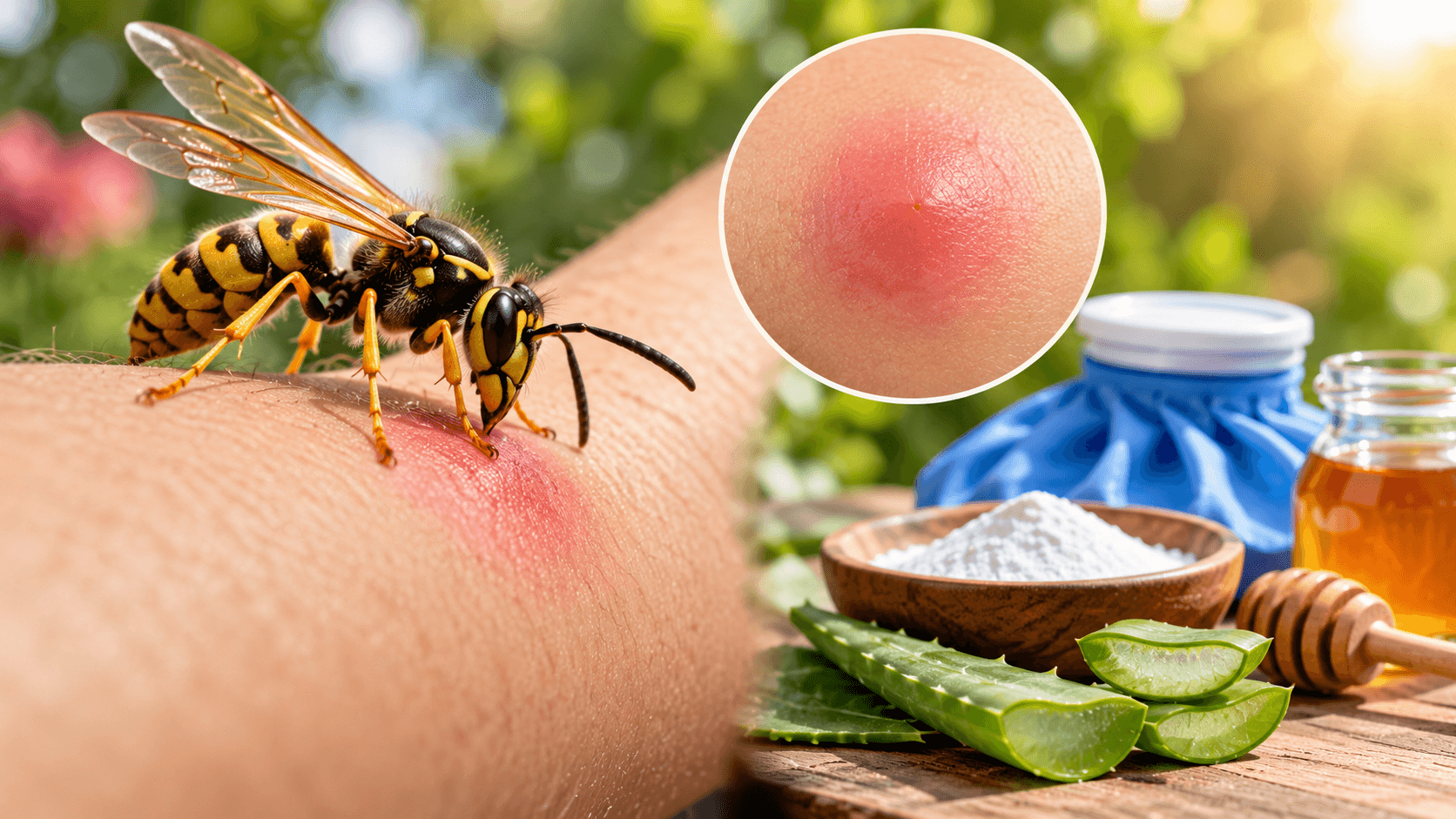
Wasp stings are a common yet painful condition. There are numerous types of wasps, the most common being yellow jackets and hornets. Similarly, there are numerous reasons why a wasp can sting you. Most wasps, however, will only sting if they or their nest are disturbed or agitated by your presence.
Wasps, unlike bees, can sting several times without losing their stinger. They will also inject venom into your skin through their sting.
Most wasp stings are extremely painful, especially if they startle you. However, after the initial sting, they typically produce relatively moderate discomfort that may be handled at home. Common wasp sting symptoms include pain in the sting location, swelling and redness that spreads beyond the sting site, itching, heat at the sting site, and, if your body reacts, hives.
Treatments for Wasp Stings
If you have been stung by a wasp, the spot is likely to have a strong reaction. That is usually not a cause for concern. If you have been stung in the mouth, nose, or throat, you should seek medical assistance.
Fortunately, there are several home cures and treatments that may be done to ease the agony of a wasp sting. The procedures listed below will provide rapid relief:
Wash the area.
First, clean the affected area with warm soap and water. Cleaning the area can help eliminate any bacteria or venom that the wasp may have carried. This will also help wash away some of the venom left by the wasps.
Apply a cold pack.
Wrap a small towel around the ice or cold pack. Apply this pack to the sting site for 30 to 60 minutes, switching on and off at 10-minute intervals. This will assist to alleviate the swelling and agony from the wasp sting.
Take anti-inflammatory medications.
To minimize swelling, take an anti-inflammatory medication such as ibuprofen. This will assist to relieve pain from the wasp sting while also reducing swelling at the sting location.
Apply antihistamine.
Itching at the injection site and surrounding area is another sign of wasp stings, depending on how far the sting has spread. To soothe the itching, which can last for hours after the initial sting, apply an antihistamine, corticosteroid, or calamine cream to the entire red and swollen area. This will also assist to reduce the pain from the wasp sting.
When to See a Doctor?
Wasp stings can be painful, but when treated at home, the agony usually lasts less than a day. If you are suffering prolonged discomfort and swelling for more than a few days, you may have an infection.
Wasp stings can be especially harmful if you have an infection or are allergic to them. If you have the following symptoms, you may have a life-threatening allergic reaction:
Tightness in your throat or chest
Tickling in the throat
Uncontrollable coughing
Wheezing in your chest
Nausea or vomiting.
Dizziness or fainting.
Excessive sweating
Anxiety
Hives covering vast areas of your body
After receiving appropriate therapy, see your doctor to determine whether you have a wasp or bee allergy. Then, moving ahead, discuss preventative measures for wasp stings.